
I walked into a big-box store recently for what I thought would be a quick trip.
Laundry detergent, toothpaste, paper towels, and a couple of things I’d forgotten to put on my list, so clearly nothing fancy, and far from being a splurge.
Still, when I looked at the total at checkout, I found myself mentally adding up what the same basket might have cost a year ago. I can’t tell you exactly when those everyday purchases started feeling more expensive. I do know that the bill seemed harder to ignore.
Retailers know that feeling matters.
Walmart (WMT) and Target (TGT) are looking to convince shoppers they can still offer value. But they’re facing a problem of their own.
The Labor Department said producer prices jumped 1.3% in September, the largest monthly increase since March 2022, as reported by Reuters. Gasoline and transportation costs shot up, adding to pressures that retail executives had already been describing.
So that begs the question of how long retailers can keep prices down without hurting their profits.
Wholesale inflation jumps 1.3% as Walmart and Target fight to keep prices low
The latest inflation report just dropped, and it came with an unpleasant surprise for retailers already trying to win over cautious shoppers.
The Labor Department said producer prices jumped 1.3% in September, the biggest monthly increase since March 2022. Prices were up 6.3% from a year earlier. Unlike the inflation numbers consumers see at the checkout counter, the Producer Price Index tracks what businesses receive for goods and services.
Digging into the details, producer gasoline prices surged 20.3% in September, while prices for transportation and warehousing services rose 3.4%. Moving goods from suppliers to distribution centers and store shelves isn’t free, and fuel can quickly make those trips more expensive.
The surprise report comes at an inopportune time for Walmart and Target. Both have spent considerable effort convincing shoppers they can still stretch their budgets, even as households rethink purchases that aren’t strictly necessary.
Price cuts and promotions may help bring customers through the door, but they also leave less room to absorb unexpected expenses. For some households, even a small price increase changes the calculation.
Though retailers buy different products under different contracts. They can negotiate with suppliers, adjust transportation plans, accept smaller margins, or decide which prices to change.
Still, the report poses a question that becomes especially important ahead of holiday shopping, and their executives have already offered some revealing answers.
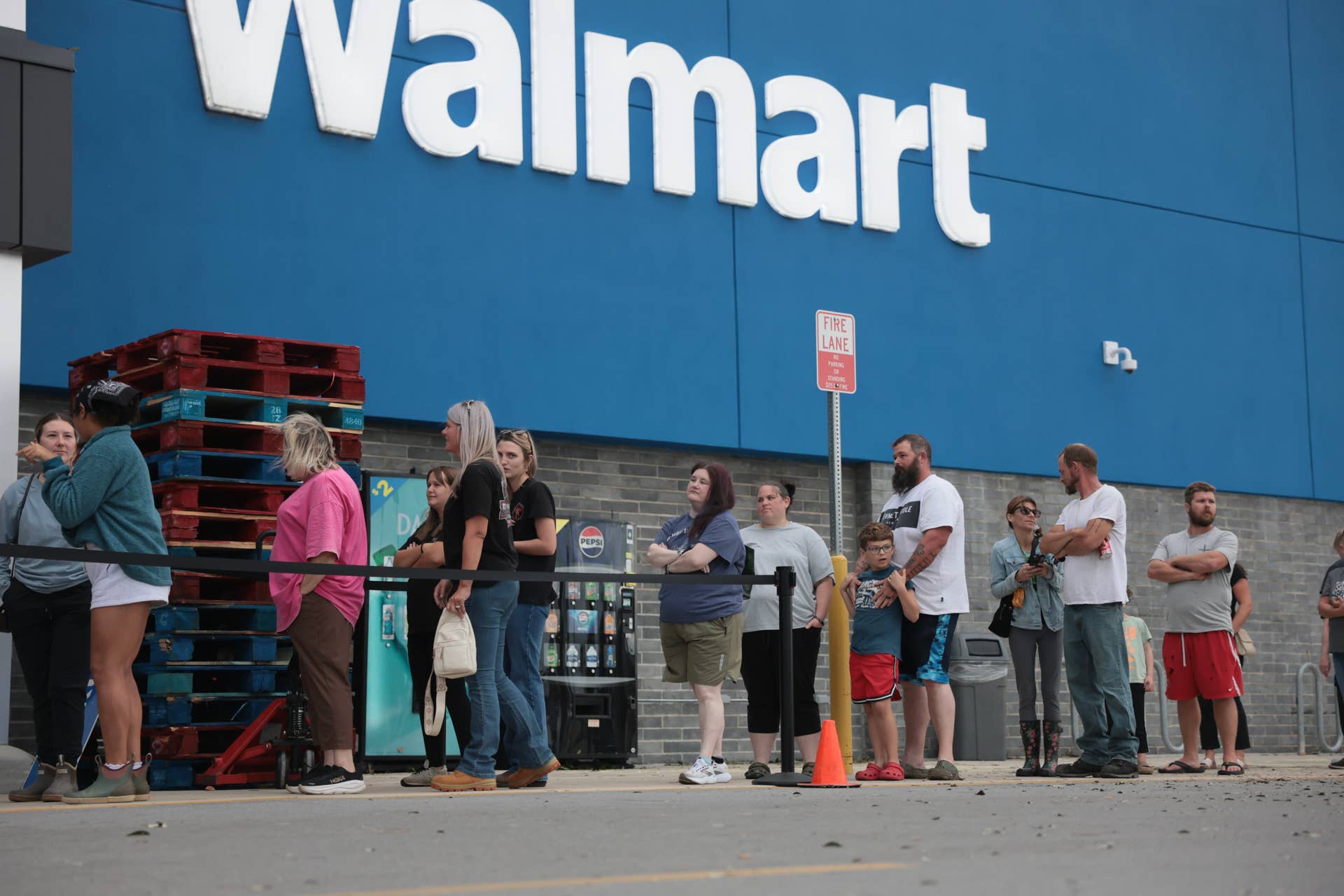
Walmart’s fuel costs and Target’s pricing strategy expose the retail squeeze
In its Aug. 20 earnings presentation, Walmart identified higher fuel costs in distribution and fulfillment as a drag on gross-margin improvements.
Walmart CEO John Furner explained the company’s broader pricing approach in a September 25 letter to customers: “We lower them when we can pass savings along. Sometimes they rise because an item costs more to buy or transport.”
More Walmart:
- Walmart gives shoppers a free way to skip the holiday chaos
- Walmart brings back a holiday returns perk shoppers count on every year
- Walmart’s CEO tells BofA where his retail chain is headed next
Those costs add up. On Walmart U.S.’s $125.2 billion in quarterly sales, my calculations show that a hypothetical 0.1-percentage-point gross-margin decline would represent nearly $125 million in lost gross profit, assuming unchanged sales.
Similarly, Target is approaching the problem from another direction.
During the company’s Aug. 19 second-quarter earnings call, CFO Jim Lee described negotiating with vendors, changing sourcing arrangements, and adjusting merchandise to limit tariff-related costs.
“Those tactics have helped us to reduce tariff pressure while continuing to deliver the combination of style, design, and value consumers expect from Target.”
Target also recorded a $994 million pretax tariff-refund benefit during the quarter, showing just how unusual cost items can impact profitability. Lee was discussing tariffs rather than September’s fuel inflation, but the underlying challenge is similar.
Dollar General is seeing the problem from the shopper’s perspective.
During its Aug. 27 earnings call, CEO Todd Vasos described how financially stretched customers are changing their shopping habits. “She continues to come. She comes more often, but she buys less on each trip.”
Vasos linked that behavior to sticky inflation and gasoline prices approaching $4 a gallon. CFO Donny Lau also warned that fuel costs will likely remain elevated through year-end, though the company managed to offset some of those costs.
Costco offers a useful contrast.
During its Sept. 24 earnings call, CFO Gary Millerchip said lower contracted shipping rates had largely offset higher fuel surcharges.
Moreover, the Richmond Fed captured the problem in one striking example, as reported by Bloomberg. Its Oct. 14 Beige Book described a regional grocer paying more to transport a head of lettuce from California than the lettuce itself cost. Customers, meanwhile, were resisting higher prices.
Albertsons CEO Susan Morris also addressed the tension during the grocery chain’s Oct. 13 earnings call: “Fuel prices are elevated, and inflation remains stubbornly high for our customers and in our P&L.”
Albertsons also reported weaker customer traffic and unit sales, underscoring the difficulty of passing along additional costs.
Retailers clearly have ways to protect shoppers, from supplier negotiations to better shipping contracts. But those strategies have limits, especially when customers are already watching every dollar.
Holiday shopping could force retailers to choose between lower prices and profits
Higher costs don’t automatically mean shoppers will pay more at checkout but naturally someone needs to absorb them, and the holiday season could make the decision a lot tougher.
Retailers have several options.
They can accept smaller profit margins, find operating savings, negotiate better supplier terms, or selectively raise prices. Each approach comes with trade-offs.
Walmart’s enormous scale gives it pricing power and opportunities to spread costs across its operations. Target is trying to rebuild customer loyalty through competitive pricing, while Costco has shown how favorable freight contracts can offset some fuel expenses.
Not every retailer has those advantages.
During Albertsons’ Oct. 13 earnings call, CEO Susan Morris acknowledged that elevated fuel prices and stubborn inflation were pressuring both customers and the company’s income statement.
That’s especially concerning heading into the holidays. Aggressive discounts might attract shoppers and boost sales volumes, but they could also squeeze margins. Pulling back on promotions risks sending budget-conscious customers elsewhere.
I’ll be watching diesel and freight prices, retail traffic, promotional activity, and gross-margin guidance in upcoming earnings reports. Those numbers should offer clues about whether retailers are successfully absorbing costs or beginning to pass more of them along.
Walmart, Target, and their competitors have spent years promising better value. The question now is how long they can keep that promise without sacrificing profitability.
Related: Nvidia’s key chip supplier has a surprising warning for customers