
Walmart’s CEO has promised that his chain won’t use dynamic or surveillance pricing.
“Dynamic pricing is a strategy that adjusts prices in real time based on demand, inventory, competitor actions, and other market signals,” according to Salesforce.
Instead of using fixed price lists, teams rely on connected data and automation to recommend or update prices as conditions shift. This helps businesses capture higher margins during peak demand, respond quickly to competitors, and avoid losses when sales slow or inventory builds.
Dynamic pricing can change prices based on market conditions such as demand or inventory. Surveillance pricing goes further by using information about individual consumers or groups to influence the price or discount they see.
It’s a strategy consumers thought Walmart was moving toward when it launched Digital Shelf Tags, which allow the chain to quickly change prices on items. Walmart CEO John Furner, however, has promised it won’t do that.
That’s an interesting story, and one TheStreet published on Sept. 28, but it’s only part of what consumers should be watching. The real story lies in what Apple, Kroger, and Amazon are (and aren’t) saying.
Walmart makes a pricing promise
Walmart CEO John Furner tried to cut off any customer concerns by issuing an open letter. He was blunt in his commitment to what Walmart calls everyday low prices (EDLP).
“Prices can change. We lower them when we can pass savings along. Sometimes they rise because an item costs more to buy or transport. But using someone’s income, shopping history or moment of need to charge them more would violate the EDLP promise our business model is built on. We won’t do it,” he wrote.
RTM Nexus CEO Dominick Miserandino thinks that Furner needed to publicly comment.
“Digital shelf labels make Walmart faster and more efficient, but consumers worry that faster price changes mean somebody is figuring out how much more they can charge them. Walmart drawing a clear line between using technology to run the store better and using it to price the individual shopper is important,” he told TheStreet.
Rivals, to varying degrees, do use pricing that essentially charges more or less for the same items:
- Kroger: Kroger collects data on its customers, uses that data to make educated guesses about their interests, needs, and habits, and then tailors promotions and discounts accordingly, according to Consumer Reports.
- Kroger, it should be noted, believes that “personalized discounts aren’t prices,” according to the same article.
- The FTC’s eight-page statement “is the clearest stance the federal government has taken on personalized pricing, which is under scrutiny after numerous reports and investigations, including some by Consumer Reports, found that companies like Home Depot, Instacart, Kroger, Target, Uber, and Lyft charge different customers different prices for essentially the same products and services,” added Consumer Reports.
- Home Depot and Target have also both denied using surveillance pricing.
“Consumer Reports has spent the past year investigating personalized pricing in retail. We found Instacart running price experiments on unsuspecting shoppers at major grocery chains; Kroger, the nation’s second largest grocer, using its free loyalty program to personalize promotions and discounts; and Uber and Lyft using complex algorithms to offer different prices for the same ride at about the same time,” the consumer watchdog reported.
Shutterstock
McDonald’s uses AI pricing for food
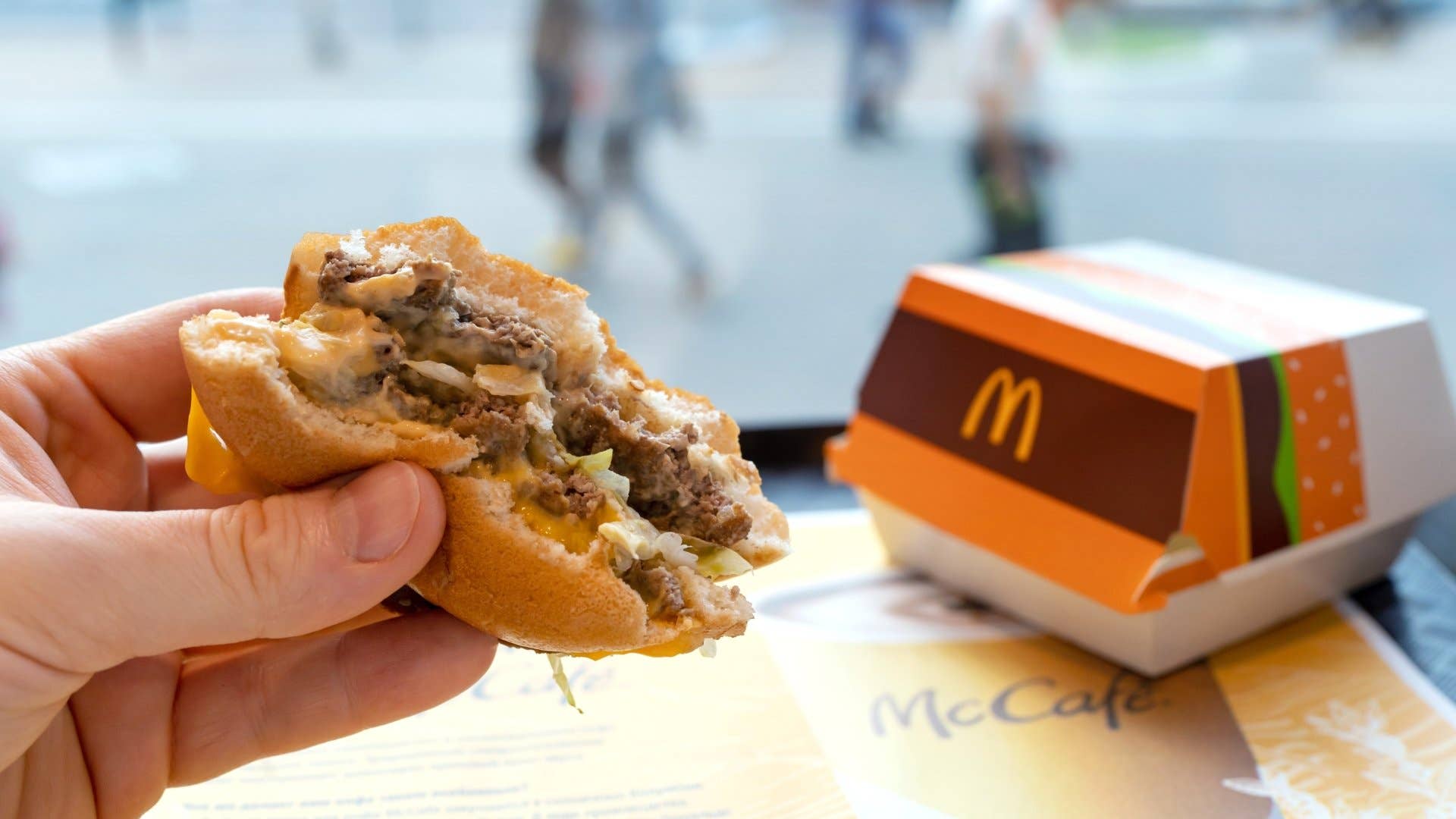
McDonald’s is using surveillance pricing.
The home of the Big Mac has been pushing franchise operators to use an AI-powered algorithm that analyzes data across McDonald’s 14,000 restaurants to estimate “customer willingness to pay in your area,” according to a Reuters report.
A spokesperson for McDonald’s argued that the Reuters report was misleading, since the AI algorithm does not set prices in real time but merely suggests prices to franchisees, who make their own decisions.
“These speculative and uninformed claims attempt to recast a standard business practice as something controversial. AI does not set the price of a Big Mac or any other menu item,” the spokesperson told The New York Post.
More Retail:
- Home Depot is making a big bet on cautious consumers
- Another state just banned a controversial retail pricing practice
- JPMorgan just flagged a slow-build food crisis
McDonald’s said that the practice is common.
“The use of pricing recommendation tools and analytics is widespread across industries,” he added. “The pricing portal is a tool, not a mandate, designed to provide restaurant-specific recommendations to help franchisees deliver value for customers and make informed business decisions.”
Retailers are using different prices for different people
As a consumer, I accept that a Big Mac costs more at a rest stop or an airport because those locations generally have higher operating costs. I’m not thrilled at the idea that McDonald’s, or any other company, can use AI to determine that it can get away with charging me more.
In January, the Federal Trade Commission (FTC) released the preliminary findings of a study looking into the pricing practice.
“Researchers looked at how companies like data brokers and credit providers use surveillance pricing services to build a profile about you that’s sold to retailers and how that information can help them set your price,” reported WPXI 11 News.
Alan Mislove, a data privacy expert at Northeastern University in Boston, worked on the study.
“Consumers think this is very unfair,” Mislove told the news station. “They feel like they’re getting ripped off.”