
Target has been on a mission to turn the shopping experience into a better one.
The company is investing in new inventory and more organized stores in an effort to win customers back.
During Target’s most recent earnings call, CEO Michael Fiddelke said, “We’re delivering an incredible amount of trend-right newness while also providing outstanding value across the entire portfolio.”
But that trend-focused mindset doesn’t just apply to inventory.
Target wants its employees to look stylish while they work. But the retailer’s latest initiative may be a lot less of a benefit than the company thinks.
Target’s latest workplace perk misfires
Target recently unveiled an expanded apparel line for store employees, dubbed Collection186.
Developed with input from fashion designer and Target creative director-at-large Isaac Mizrahi, it features T-shirts, polos, cardigans, blazers, vests, and jackets designed around Target’s signature red.
“At Target, we believe great design should make everyday life better, for our guests and for our team,” Gena Fox, Target’s senior vice president of design, told Retail Dive. “We designed Collection186 with our store team members in mind – offering them more options to their wardrobe that are unmistakably Target.”
Target describes the collection as a way for employees to express their personal style while looking “confident and guest-ready.
Related: Costco faces new challenge from surprising competitor
Employees aren’t required to purchase the Collection186 clothing, and Target says they can wear other clothing that complies with its dress code.
But there’s an important distinction between a workplace benefit and an employee expense that happens to be stylish.
If Target employees do buy Collection186 clothing, they must pay for it themselves. The company is offering discounts, including an additional 20% off adult apparel from its owned brands. But the clothes aren’t being provided free as a uniform.
That makes the initiative difficult for workers to get excited about.
As retail expert Craig Sundstrom told Retail Wire quite bluntly, “Having stockers and checkers double as fashion models seems quite ambitious; I can’t help but think ultimately it would have made more sense to just do what most companies do: issue employees standard attire (at the company’s expense).”
Target’s success hinges on employee buy-in
Target is in the middle of a significant turnaround effort under CEO Michael Fiddelke, with the company putting style, design, and value at the center of its strategy.
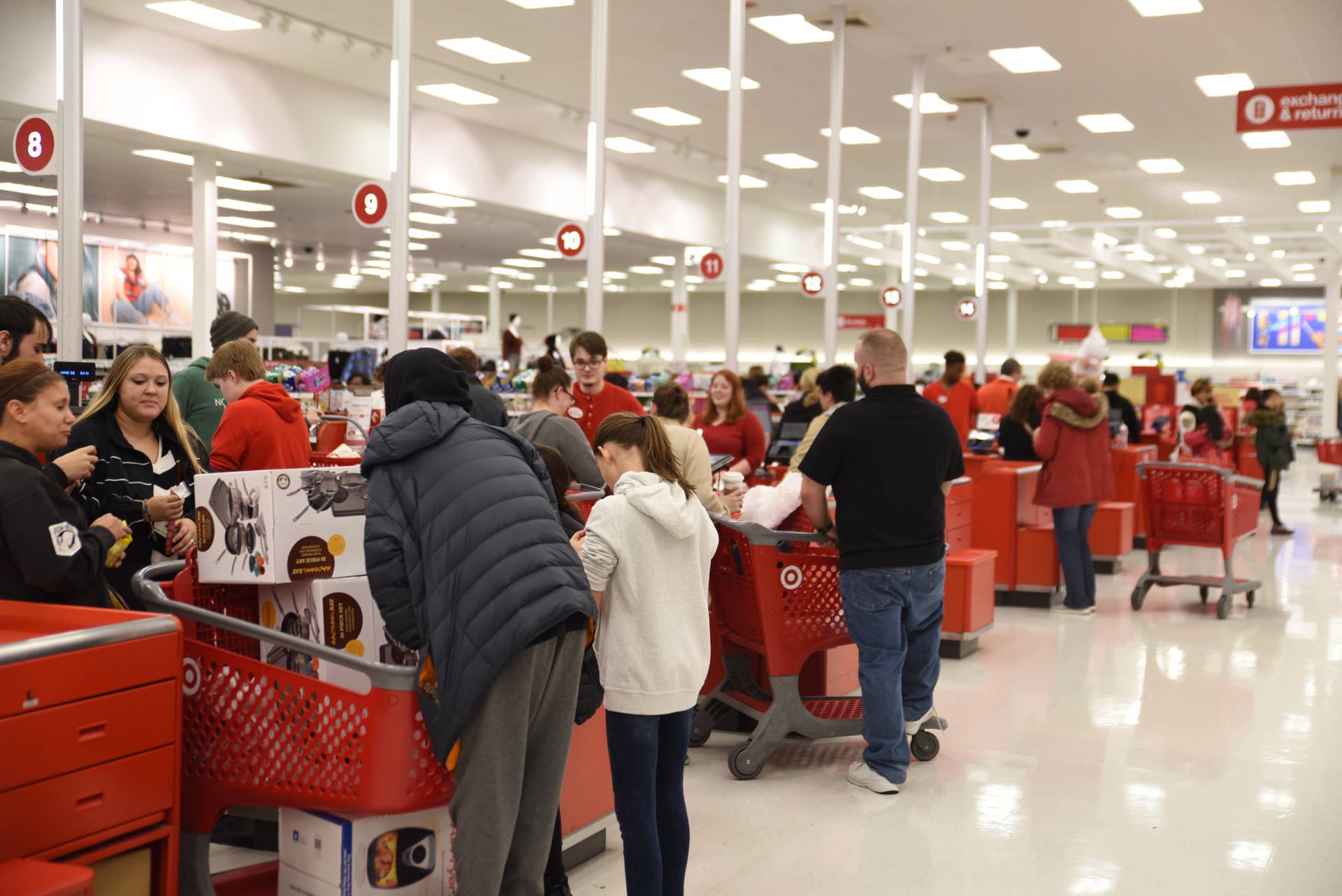
Target is trying to make its stores feel more distinctive, and employees are an important part of the shopping experience.
The company says its updated guidelines are intended to make employees easier for customers to identify, while Collection186 gives workers more clothing options within those guidelines.
The problem is that Target risks focusing on the appearance of the employee experience instead of the experience itself.
That’s particularly relevant given another failed Target initiative – the company’s “10-4” customer-service policy.
Under the policy, employees within 10 feet of a shopper are expected to smile, make eye contact, and use welcoming body language. Within four feet, employees are expected to greet the customer and offer assistance.
More Retail:
- Costco sees major shift in member behavior
- Retail chain shuts all locations as legal changes hit industry
- Costco makes major investment in online shopping for members
Not only did some Target shoppers find the policy uncomfortable, but Target employees also criticized the idea of mandating friendliness rather than addressing the underlying reasons employees might not naturally engage with customers.
Put the two initiatives together and a pattern emerges.
Target isn’t simply asking employees to wear red. It’s increasingly prescribing how they should look and interact with shoppers.
That may create a more consistent store environment, which is clearly what Target wants.
But consistency isn’t necessarily the same thing as connection.
As Target continues to invest in turning its business around, it shouldn’t lose sight of the fact that improving the employee experience probably starts with giving workers the tools, support, and freedom to do their jobs well — not just making sure they look more stylish while doing it.
Maurie Backman owns shares of Target.
Related: Target is taking on Walmart with a major grocery move